
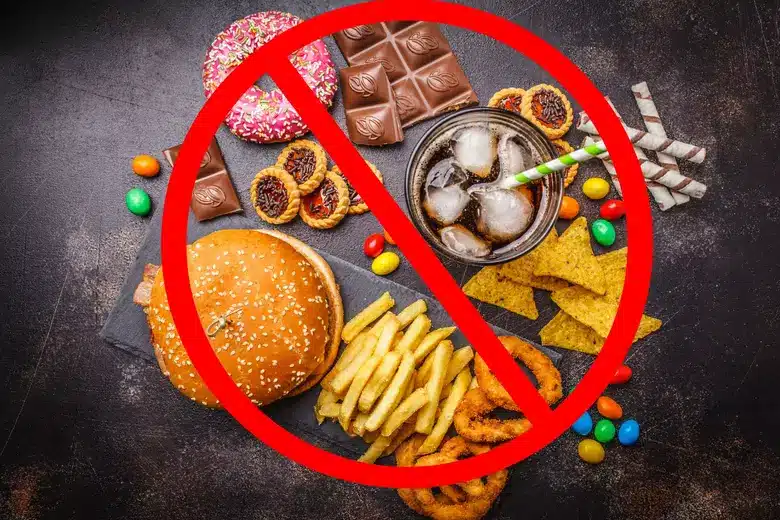
As the calendar turned to January 1, 2026, a quiet but profound shift began to ripple through grocery stores in several U.S. states. For millions of Americans relying on the Supplemental Nutrition Assistance Program (SNAP), commonly known as food stamps, the days of purchasing certain items deemed “unhealthy” are officially over. This new policy, driven by a series of state-level waivers approved by the U.S. Department of Agriculture (USDA), marks a significant departure from decades of federal guidelines that largely allowed SNAP recipients the freedom to choose their own food. The initial wave saw Indiana, Iowa, Nebraska, Utah, and West Virginia implement immediate restrictions, with at least a dozen more states poised to follow suit throughout 2026 [1].
This move has ignited a fierce debate across the nation, pitting public health advocates against proponents of personal choice and raising complex questions about the role of government in dietary decisions. While supporters argue the ban will combat rising rates of obesity and diabetes among low-income populations, critics contend it stigmatizes vulnerable families, creates logistical nightmares for retailers, and fails to address the root causes of food insecurity. As soda and candy disappear from the eligible shopping lists, the SNAP junk food ban is not just a policy change; it’s a social experiment with far-reaching implications for health, equity, and the very definition of a nutritious diet in America.
The 18-state wave: who is involved and why now
The initial implementation on January 1, 2026, in five states was merely the vanguard of a much larger movement. By the fall of 2026, at least 18 states are expected to have enacted similar waivers, prohibiting the purchase of specific foods with SNAP benefits [2]. This expansion includes states like Colorado, which will see restrictions take effect on March 1, 2026, and Arkansas, among others. The momentum behind these bans is often attributed to a renewed focus on public health outcomes and a desire to ensure that federal assistance programs align with broader nutritional goals.
This push for SNAP restrictions has historical roots, with various administrations attempting to influence the purchasing habits of SNAP recipients. The current wave, however, has gained significant traction, reflecting a growing concern over the long-term health costs associated with diets high in processed foods and sugary beverages. While the USDA maintains that its role is to support state-led initiatives that promote healthy eating, the approval of these waivers signals a more proactive stance on dietary intervention within federal assistance programs. The patchwork nature of these bans, with different states adopting varying lists of prohibited items, also creates a complex landscape for both recipients and retailers.
What’s off the menu? defining soda, candy, and the gray area foods
The core of the SNAP junk food ban targets items broadly categorized as soda and candy. However, the specifics of what constitutes a banned item can vary significantly from state to state, leading to confusion and frustration. Generally, “soft drinks” are defined as nonalcoholic beverages with natural or artificial sweeteners, effectively eliminating most sodas, sweetened teas, and many fruit and vegetable drinks with less than 50% natural juice content [3]. Candy typically includes chocolates, gummies, and other confectionery items.
Yet, the devil is in the details, and the “gray area” foods present the biggest challenge. For instance, some states might ban ice cream but allow fruit rolls, leading to questions about consistency and scientific basis. Energy drinks are almost universally restricted, but what about highly processed snack foods that aren’t explicitly candy? The lack of a uniform federal definition for “junk food” means that each state must draw its own lines, often resulting in arbitrary distinctions. This creates a scenario where a SNAP recipient might be able to purchase a sugary breakfast cereal but not a single candy bar, or a highly processed frozen meal but not a bottle of soda. These nuances highlight the difficulty of legislating dietary choices and the potential for unintended consequences.
The public health gamble: arguments for and against the restrictions
The SNAP junk food ban is a policy born out of a genuine concern for public health, yet it remains deeply controversial, sparking a nationwide debate that touches upon fundamental issues of equity, autonomy, and the role of government. Proponents, often public health officials and conservative lawmakers, argue that restricting access to unhealthy foods will naturally lead to better dietary choices, thereby reducing alarming rates of obesity, type 2 diabetes, and other chronic diseases that disproportionately affect low-income communities. They frequently cite the immense healthcare costs associated with these conditions, asserting that SNAP funds, derived from taxpayer dollars, should be exclusively directed towards truly nutritious options that foster long-term well-being. From this perspective, the ban is not merely a restriction but a necessary intervention, a paternalistic yet benevolent step to protect the health of vulnerable populations and ensure fiscal responsibility.
Conversely, critics, including anti-hunger advocates, civil liberties groups, and many SNAP recipients themselves, raise serious ethical and practical objections. They argue that such bans are inherently paternalistic and deeply stigmatizing, implying that low-income families are incapable of making healthy choices for themselves. This approach, they contend, overlooks the complex realities of poverty, where access to fresh, affordable produce might be limited by food deserts—areas lacking grocery stores—or by the higher cost of healthy alternatives compared to calorie-dense, cheaper processed foods. Many believe that the focus should instead be on increasing access to affordable, healthy food options, investing in nutritional education that empowers rather than restricts, and addressing systemic issues of food insecurity, rather than imposing bans that can feel punitive. Furthermore, opponents highlight the significant administrative burden on retailers, who must update their Point of Sale (POS) systems and train staff to differentiate between eligible and ineligible items, often leading to confusion and delays at checkout. There’s also the very real concern that these bans could lead to increased food waste, or, more critically, force families to spend their already limited cash on items they can no longer purchase with SNAP benefits, potentially exacerbating financial strain and forcing difficult choices between essential needs.
Retailer chaos: the technical challenges at the checkout counter
The implementation of the SNAP junk food ban has not been without its significant logistical hurdles, particularly for retailers, who find themselves on the front lines of this policy shift. Grocery stores, convenience stores, and other authorized SNAP vendors are now tasked with updating their POS systems to identify and block the purchase of prohibited items. This is not a simple task; it requires a granular level of product coding and a sophisticated system for distinguishing between, for example, a 100% fruit juice (eligible) and a fruit-flavored drink with less than 50% juice (ineligible). The complexity is compounded by the sheer volume of products and the subtle differences in ingredients that can shift an item from eligible to banned.
For smaller retailers, especially those in rural or underserved areas that often serve as the primary food source for SNAP recipients, the cost and complexity of these system upgrades can be substantial, posing a significant financial burden. Training staff to navigate the new, often ambiguous rules and handle potential disputes with customers adds another layer of difficulty, leading to increased operational costs and potential employee turnover. The bans also create a palpable potential for confusion and embarrassment at the checkout counter, where SNAP recipients might unknowingly select ineligible items, leading to delays, frustration, and even public humiliation. The National Retail Federation and other industry groups have voiced strong concerns about these operational challenges, advocating for clearer, more standardized guidelines, robust technical support, and financial assistance for retailers during this transition period. The fear is that without adequate support, some smaller vendors might opt out of the SNAP program entirely, further limiting food access in already vulnerable communities.
The shifting landscape of American social safety nets
The SNAP junk food ban represents a significant moment in the evolution of America’s social safety nets, signaling a shift towards a more prescriptive approach to welfare. It reflects a growing tension between the desire to promote public health and the fundamental principles of individual autonomy and dignity for those receiving assistance. This policy is not merely about food; it’s about control, responsibility, and the societal perception of poverty. As more states adopt these restrictions throughout 2026, the full impact on low-income families, food consumption patterns, and the retail landscape will become clearer. The debate will undoubtedly continue, with advocates on both sides presenting compelling data, personal stories, and ethical arguments to support their positions.
Ultimately, the success or failure of these bans will be measured not just in terms of reduced obesity rates or healthcare costs, but also in their broader social and economic implications. Will they genuinely improve the well-being of SNAP recipients, fostering healthier habits and better long-term outcomes? Or will they inadvertently create new barriers, deepen existing stigmas, and exacerbate the challenges faced by those struggling with food insecurity? The answers to these complex questions will shape the future of food assistance programs in the United States for years to come, defining how society balances intervention with empowerment in the pursuit of a healthier and more equitable nation. This policy serves as a powerful reminder that even seemingly straightforward solutions to public health crises can have profound and multifaceted consequences, demanding careful consideration and ongoing evaluation.
References
- CNN. (2025, December 30). SNAP bans on soda, candy and other foods take effect in five states. https://www.cnn.com/2025/12/30/health/snap-restrictions-begin
- ABC7NY. (2025, December 31). SNAP bans on soda, candy and other foods take effect in 18 states. https://abc7ny.com/post/snap-bans-soda-candy-other-foods-take-effect-states-jan-1/18335956/
- USDA Food and Nutrition Service. (n.d.). SNAP Food Restriction Waivers. https://www.fns.usda.gov/snap/waivers/foodrestriction
