
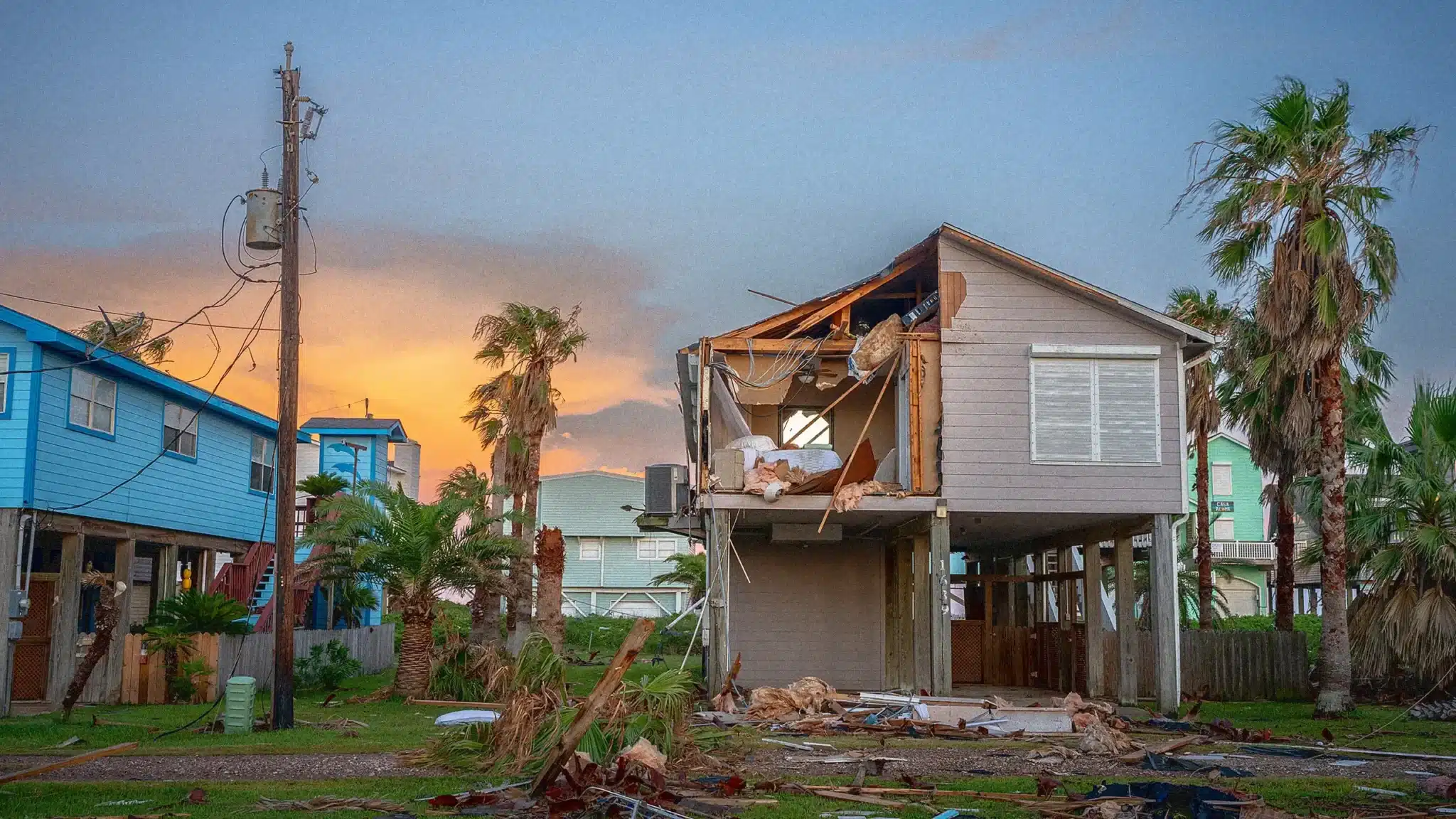
As 2026 unfolds, homeowners in Texas and Florida are facing an unprecedented crisis: skyrocketing home insurance premiums that are reshaping the landscape of property ownership in these states. What was once a predictable annual expense has transformed into a financial burden, with some residents reporting double-digit increases, or even outright policy cancellations. This dramatic shift is not merely a market fluctuation; it is a direct consequence of the escalating impacts of climate change, a complex interplay of extreme weather events, evolving risk assessment models, and a strained reinsurance market [1].
The crisis in these two states serves as a stark warning for the entire nation, illustrating how environmental shifts are translating into tangible economic pressures on everyday citizens. While the reasons are multifaceted, the core narrative revolves around the increasing frequency and intensity of natural disasters—from devastating hurricanes and floods in Florida to severe hail storms and wildfires across Texas. This article delves into the specific factors driving these insurance hikes, examines the role of advanced technology like AI in risk modeling, and explores the broader implications for homeowners and the future of property insurance in America’s most vulnerable regions.
The perfect storm: specific factors in Florida and Texas
Florida, often dubbed the “Sunshine State,” has become ground zero for the home insurance crisis. Its extensive coastline and low elevation make it exceptionally vulnerable to hurricanes and tropical storms, which have grown more powerful and frequent in recent decades. Beyond the sheer destructive force of these events, Florida’s insurance market is plagued by a unique combination of factors:
- Widespread litigation and fraudulent claims: The state has seen a surge in lawsuits against insurers, often driven by aggressive public adjusters and contractors, which inflates costs for everyone.
- Rising reinsurance costs: Global reinsurers, who provide insurance for insurance companies, are increasingly wary of Florida’s risk profile, demanding higher premiums to cover potential losses. This cost is passed directly to homeowners.
- Aging infrastructure: Many homes, particularly older ones, are not built to withstand modern hurricane forces, leading to more extensive damage and higher repair costs.
Texas, the second-largest U.S. state, faces its own distinct set of challenges. While less prone to hurricanes than Florida, it contends with a diverse array of extreme weather events:
- Severe hail storms: These events, particularly in the Dallas-Fort Worth metroplex, cause billions of dollars in damage annually to roofs and vehicles.
- Wildfires: The western and central parts of the state are increasingly susceptible to devastating wildfires, exacerbated by drought conditions.
- Flooding: Heavy rainfall events, often linked to slow-moving tropical systems, lead to widespread flooding, even far inland.
- Regulatory environment: While different from Florida, Texas’s regulatory landscape also plays a role in how insurers manage and price risk.
Both states share the common thread of being on the front lines of climate change, experiencing weather patterns that defy historical norms and push actuarial models to their limits. The sheer scale of property exposure in these rapidly growing states further amplifies the financial impact of each disaster [2].
The climate “shock”: how extreme weather is rewriting the rules
The undeniable force behind the skyrocketing premiums is the accelerating pace of climate change. Scientists overwhelmingly agree that a warming planet leads to more frequent and intense extreme weather events. For the insurance industry, this translates directly into higher payouts for claims, making traditional risk assessment models obsolete. What was once considered a “100-year storm” is now occurring with alarming regularity, forcing insurers to re-evaluate their entire business model.
This climate shock is not just about hurricanes and wildfires; it encompasses a broader spectrum of perils, including prolonged heatwaves, severe droughts, and unexpected freezes. The increased unpredictability makes it harder for insurers to accurately price policies, leading them to either raise rates dramatically or withdraw from certain markets altogether. The U.S. Treasury data confirms this trend, showing that homeowners insurance is becoming both more costly and harder to procure in light of these escalating climate risks. The very concept of “insurability” is being redefined, with some regions potentially facing an “uninsurable future” if current trends continue [3].
The AI revolution in risk: how tech is making insurance more precise—and more expensive
In response to the growing complexity of climate risk, the insurance industry is undergoing a technological revolution, with Artificial Intelligence (AI) and predictive analytics at its forefront. 2026 is being hailed as the “AI Production Era” for insurance, where advanced algorithms are playing an increasingly central role in every aspect of the business, from underwriting to claims processing [4].
AI-powered tools can now analyze vast datasets, including satellite imagery, drone photos, weather patterns, and historical claims data, to assess property conditions with unprecedented precision. For example, AI can evaluate the health of a roof, identify potential vulnerabilities in a home’s structure, or predict the likelihood of a property being affected by a specific natural disaster. While this technology helps insurers manage risk more effectively and can lead to cost reductions in operations, it also results in highly granular—and often higher—risk-based pricing. Homes in areas previously considered moderately risky might now be flagged as high-risk, leading to substantial premium increases. This precision, while actuarially sound, can feel punitive to homeowners who suddenly find themselves in a newly defined “high-risk” category.
The economic fallout: impact on home values and the affordability crisis
The ripple effect of skyrocketing insurance premiums extends far beyond the monthly bill; it is profoundly impacting home values and exacerbating the broader housing affordability crisis. Studies have shown that rising insurance costs can weigh down home values, with some estimates suggesting a reduction of approximately $20,500 in the top 25% of homes most exposed to catastrophic risks. This devaluation creates a double whammy for homeowners: not only are they paying more to protect their property, but the asset itself is losing value.
For prospective homebuyers, particularly those in Texas and Florida, the high cost of insurance can be a significant barrier to entry, making homeownership unattainable for many. It also creates a disincentive for investment in these regions, potentially slowing economic growth. The affordability crisis is not just about mortgage rates or housing prices; it’s increasingly about the ancillary costs of homeownership, with insurance now playing a dominant and unpredictable role. This economic fallout forces difficult decisions for individuals and communities, raising questions about migration patterns and the long-term viability of living in certain high-risk areas.
The reinsurance factor: the global connection to your local premium
Understanding the home insurance crisis requires looking beyond local markets to the global stage of reinsurance. Reinsurers are essentially insurance companies for other insurance companies, providing a critical backstop against catastrophic losses. When a major hurricane hits Florida or a widespread hail storm sweeps through Texas, it’s the reinsurers who ultimately bear a significant portion of the financial burden.
As climate change intensifies, the global reinsurance market has become increasingly volatile and expensive. Reinsurers are raising their rates, reducing their exposure in high-risk areas, or pulling out of markets altogether. This directly impacts primary insurers, who must then pass these increased costs onto their policyholders. The interconnectedness of the global financial system means that a major weather event in one part of the world can have a ripple effect, influencing insurance premiums thousands of miles away. This global dynamic adds another layer of complexity to the local crisis, making it harder for state regulators to control costs and stabilize markets.
Adapting to a new reality of risk
The home insurance crisis in Texas and Florida is a microcosm of a larger global challenge: adapting to a new reality shaped by climate change. For homeowners, this means a future where insurance is likely to remain expensive and potentially harder to secure. It necessitates a proactive approach to property resilience, investing in stronger building materials, elevating homes, and implementing mitigation measures to reduce risk. For policymakers, it demands innovative solutions, including exploring state-backed insurance programs, incentivizing climate-resilient construction, and addressing the underlying causes of climate change.
The insurance industry itself will continue to evolve, leveraging AI and advanced analytics to refine risk models, but also facing increased regulatory scrutiny regarding fairness and transparency. The conversation is shifting from simply recovering from disasters to actively preventing and mitigating their impact. The experiences of Texas and Florida are a powerful wake-up call, urging a collective re-evaluation of how we live, build, and insure our homes in an era of unprecedented environmental change. The future of property ownership in these vibrant states, and indeed across many vulnerable regions, hinges on our ability to adapt to this new reality of risk.
References
- Matic. (2025, December 4). 2026 Home Insurance Trends & Predictions. https://matic.com/blog/2026-home-insurance-predictions/
- SouthState Bank. (2025, December 2). Understanding the Rising Home Insurance Costs in Florida. https://www.southstatebank.com/mortgage/mortgage-insights/floridas-rising-home-insurance
- Yale Law Journal. (2025, December 3). The Uninsurable Future: The Climate Threat to Property Insurance and How to Stop It. https://yalelawjournal.org/essay/the-uninsurable-future-the-climate-threat-to-property-insurance-and-how-to-stop-it
- Insurance Thought Leadership. (2026, January 5). 2026 Begins the AI Production Era for Insurance. https://www.insurancethoughtleadership.com/ai-machine-learning/2026-begins-ai-production-era-insurance
