
As January 2026 unfolds, the United States finds itself grappling with a flu outbreak of unprecedented scale, pushing its healthcare system to the brink. Reports from across the nation indicate a dramatic surge in cases, with some regions experiencing a tripling of infections. This alarming escalation has led to hospitals being overwhelmed, emergency rooms overflowing, and a palpable sense of crisis among healthcare professionals. The 2025-2026 flu season is rapidly solidifying its place in history as one of the most severe in a quarter-century, fueled by a particularly aggressive H3N2 strain that has proven both highly transmissible and capable of causing severe illness [1].
The Centers for Disease Control and Prevention (CDC) has painted a grim picture, with flu activity reaching high or very high levels in nearly every state. Outpatient visits for flu-like illnesses have soared to their highest recorded rates, signaling a widespread and intense viral assault on communities nationwide. This isn’t merely a seasonal inconvenience; it’s a public health emergency demanding immediate attention and highlighting the persistent vulnerabilities within even the most advanced healthcare infrastructures. The question on everyone’s mind is: how did we get here, and what can be done to mitigate the ongoing crisis?
The rise of subclade K: the science behind the “super flu”
At the heart of this season’s severity lies a new, particularly virulent strain of influenza, often referred to by experts as Subclade K—a variant of the H3N2 virus. This “super flu” has demonstrated characteristics that make it exceptionally challenging. Its high transmissibility means it spreads rapidly through communities, quickly infecting a large portion of the population. More concerning, however, is its propensity to cause severe illness, leading to higher rates of hospitalization and complications, particularly among vulnerable groups such as the elderly, young children, and individuals with underlying health conditions [2].
Scientists are working tirelessly to understand the specific genetic mutations that make Subclade K so aggressive. Early indications suggest that this variant may be more adept at evading the immune response generated by previous infections or existing vaccines, contributing to the widespread nature of the outbreak. The rapid evolution of influenza viruses is a constant challenge for public health, requiring continuous surveillance and adaptation of vaccine formulations. The emergence of Subclade K serves as a stark reminder of the dynamic nature of viral threats and the critical importance of ongoing research and preparedness.
Hospitals at the breaking point: a system under siege
Across the United States, the healthcare system is teetering on the edge, struggling to cope with the relentless influx of flu patients. Hospitals are overwhelmed, with bed capacities stretched thin, particularly in intensive care units (ICUs). The sheer volume of patients requiring admission has forced many facilities to implement surge protocols, including diverting ambulances, setting up temporary triage areas, and even postponing elective surgeries to free up resources and staff for critical flu cases [3].
Emergency rooms have become epicenters of the crisis, with patients often facing agonizingly long wait times. Healthcare workers, already fatigued from years of battling other respiratory viruses, are now confronting another wave of intense pressure. The strain is not just on physical infrastructure but also on human resources, as doctors, nurses, and support staff work tirelessly under immense stress. This situation underscores a critical vulnerability: despite advancements in medical technology, the capacity of the healthcare system remains finite, and a widespread outbreak can quickly expose its limits.
The pediatric crisis: children hit hard by the aggressive strain
One of the most heartbreaking aspects of the 2025-2026 flu season is the disproportionate impact on children. Pediatric wards in many hospitals are reporting unprecedented numbers of young patients, with some facilities reaching full capacity. The CDC has confirmed multiple influenza-associated pediatric deaths, a tragic indicator of the severity of this season’s strain. Children, whose immune systems are still developing, are particularly susceptible to aggressive viral infections, and Subclade K appears to be taking a heavy toll on this vulnerable population.
Parents are urged to be vigilant for symptoms and seek medical attention promptly if their child exhibits signs of severe illness. The increased demand for pediatric care places additional strain on an already stretched system, leading to concerns about access to timely treatment. This pediatric crisis highlights the need for robust public health campaigns targeting childhood vaccinations and emphasizes the importance of protecting the youngest members of society from the ravages of influenza.
Frontline reports: the human cost for healthcare workers
The human toll of this flu outbreak extends far beyond the patients. Healthcare workers on the frontlines are enduring immense physical and emotional strain. Doctors, nurses, paramedics, and support staff are working extended shifts, often in understaffed environments, facing a constant stream of critically ill patients. The emotional burden of witnessing so much suffering, coupled with the pressure to make life-or-death decisions under duress, is taking a significant toll on their mental health.
Many healthcare professionals are reporting feelings of burnout, exhaustion, and moral injury. The relentless nature of the crisis leaves little room for recovery, and the risk of infection among staff remains a constant concern. Their dedication and resilience are commendable, but the sustainability of such intense working conditions is a serious question. The 2026 flu season serves as a stark reminder of the critical importance of supporting and protecting those who dedicate their lives to caring for others.
Response and prevention: vaccines, antivirals, and the role of technology
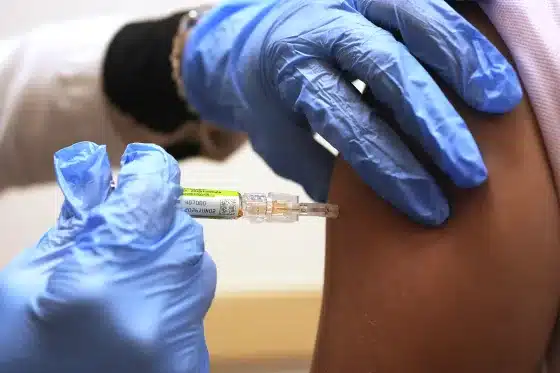
In response to the escalating crisis, public health authorities and healthcare providers are redoubling their efforts in vaccination campaigns. While the effectiveness of the current vaccine against the new Subclade K strain is under continuous evaluation, vaccination remains the most crucial tool for preventing severe illness, hospitalization, and death. Even if the vaccine doesn’t prevent infection entirely, it can significantly reduce the severity of symptoms.
Antiviral medications, such as Tamiflu, are also being widely prescribed to eligible patients, particularly those at high risk of complications. These drugs can help shorten the duration and reduce the severity of the flu if administered early in the course of the illness. Beyond traditional medical interventions, technology is playing an increasingly vital role. AI-powered surveillance systems are being deployed to track the spread of the virus in real-time, predict potential hotspots, and allocate resources more effectively. Telemedicine is helping to manage less severe cases, reducing the burden on emergency rooms and allowing patients to receive care from the comfort of their homes. These technological advancements, combined with traditional public health measures, are critical in the ongoing fight against the flu.
Looking ahead: predictions for the rest of the season
As the 2025-2026 flu season progresses, public health officials are closely monitoring trends and making predictions for the coming weeks. While some regions may see a plateau or slight decline in cases, the overall intensity of the outbreak is expected to persist for some time. The potential for further viral evolution, coupled with the challenges of widespread vaccination and adherence to public health guidelines, means that vigilance remains paramount.
Experts are emphasizing the importance of continued public awareness, encouraging individuals to practice good hand hygiene, wear masks in crowded indoor settings, and stay home when sick to prevent further transmission. The lessons learned from this season will undoubtedly inform future preparedness strategies, highlighting the need for more resilient healthcare systems, faster vaccine development, and more effective public health communication campaigns. The 2026 flu outbreak is a powerful reminder that global health security is a continuous endeavor, requiring constant adaptation and collaboration.
References
- CNN. (2026, January 5). Flu reaches highest levels in the US in 25 years. https://www.cnn.com/2026/01/05/health/flu-highest-level-25-years
- NAMG. (2026, January 9). Flu cases surge across the U.S. as new H3N2 strain spreads. https://namg.us/latest-update/flu-cases-surging-united-states-2026/
- Becker’s Hospital Review. (2026, January 9). Hospitals postpone elective surgeries as flu strains capacity. https://www.beckershospitalreview.com/care-coordination/hospitals-postpone-elective-surgeries-as-flu-strains-capacity/
